Four Months with the Fujifilm GFX Eterna 55
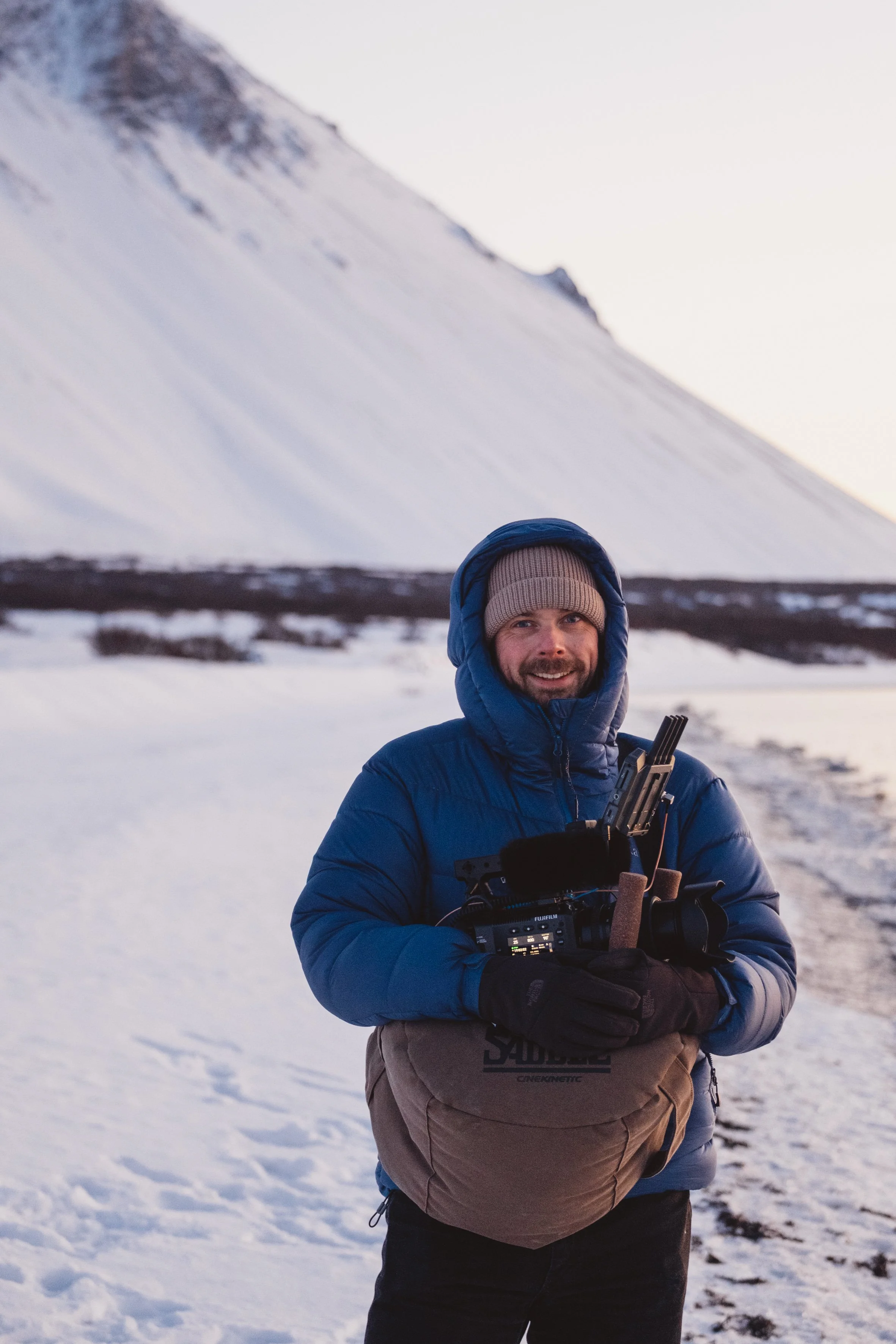
Iceland, March 2026
Introduction
I chose to purchase the Fujifilm GFX Eterna because it was a camera that genuinely excited me.
The sensor size felt like it opened up a new world of possibilities. It wasn’t just about image quality — it was about character, flexibility, and the opportunity to explore a different way of working.
Over the past four months, I’ve been using it across a range of projects, mostly self-shooting, documentary-led work. Rather than a technical breakdown, this is a reflection on how the camera feels to use in real environments — working with people, in unpredictable conditions, where moments can’t be repeated.
A New System, A New Way of Seeing
I’ve been shooting on Canon systems for many years, so moving to something completely new was a big step.
That said, I’ve worked closely with Fujifilm over the years producing content for their campaigns, and I’ve seen how their video capabilities have developed on their stills cameras. So when they announced a dedicated video system, I felt confident it would deliver.
What I didn’t expect was how much it would shift the way I see and approach an image.
Lenses, Character, and Exploration
One of the most exciting aspects of the GFX Eterna has been the freedom to experiment with lenses.
I’ve started building a collection — particularly vintage medium format Mamiya Sekor-C lenses, which feel almost perfectly suited to the sensor. I’ve also been using older Canon FD lenses with really interesting results.
What’s fascinating is how the sensor draws out character in these lenses. It reveals qualities I hadn’t noticed before — softness, falloff, texture — and it’s pushed me to explore combinations in a way I haven’t done for years.
It’s made the process feel creative again.
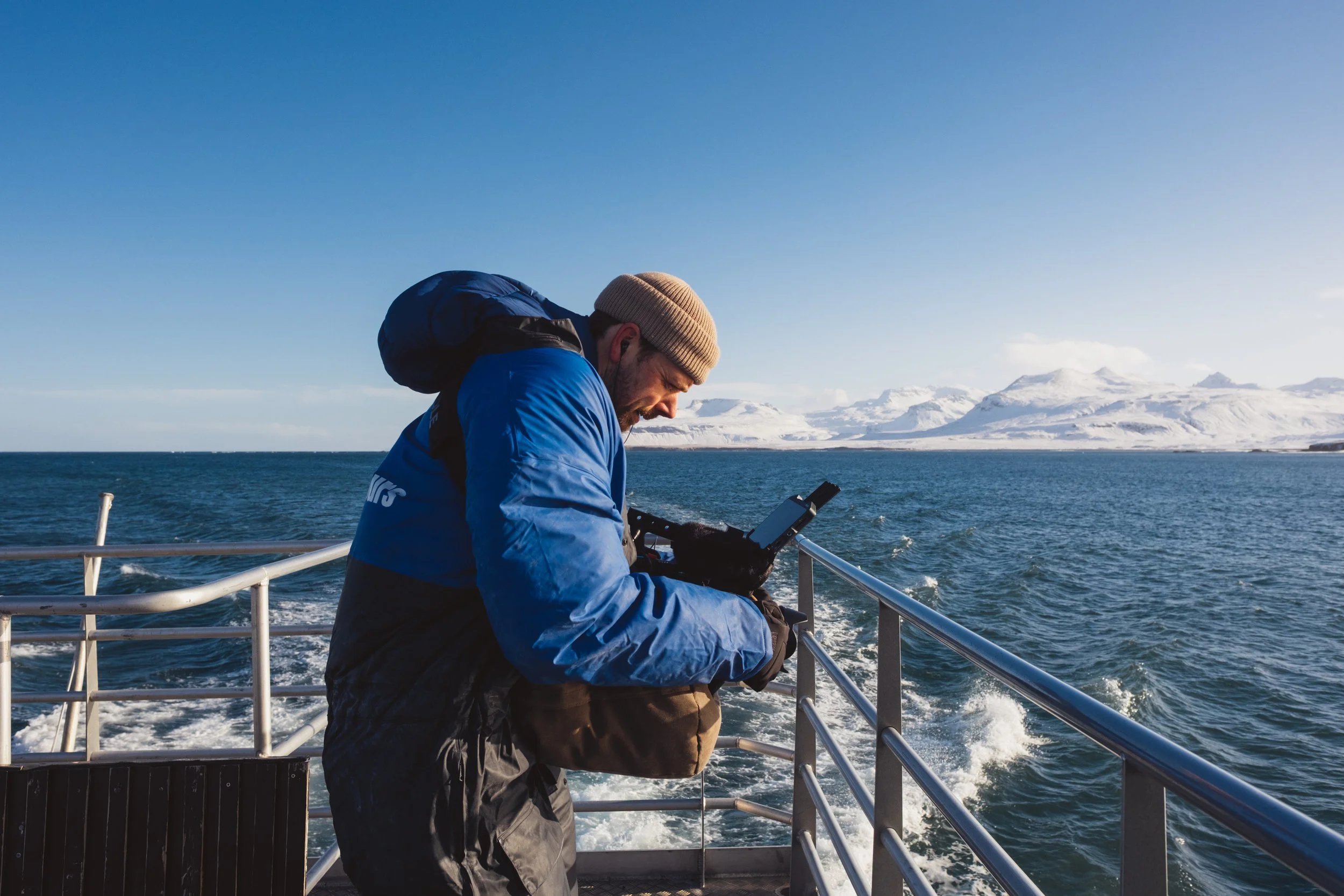
Whale Watching in Iceland, March 2026
Using It for Documentary Work
Most of my work is self-shot, documentary-led filmmaking — something many might assume this camera isn’t suited to.
But in practice, I’ve found it to be a really strong choice.
Shooting in the 4:3 open-gate format has been particularly useful. It allows for multiple aspect ratios without compromising quality, which is increasingly important for client deliverables.
More importantly, it lets you stay present.
You’re not constantly thinking about reframing or coverage — you can focus on the person in front of you.
The camera itself feels intuitive. The physical dials and layout have a slightly analogue feel, and having access to menu screens on both sides makes a real difference when working quickly.
Working with Contributors
Even though it’s a relatively large camera, I keep the setup simple and unobtrusive.
In reality, contributors don’t really notice the difference.
That’s important to me — maintaining a calm environment, where people feel comfortable enough to speak naturally, is always the priority. The camera supports that rather than getting in the way.
Image and Feel
The image is where the camera really stands out.
It’s clean, but not clinical. There’s a softness and depth that feels closer to something analogue. Paired with vintage lenses, it creates an image that feels tactile and grounded — something that suits human-centred storytelling.
I’ve also found it very easy to grade, and being able to use film simulations while monitoring is a helpful way to shape the look during a shoot.
One thing that surprised me was how it behaves in low light. Even when pushing the ISO, the image doesn’t fall apart in a digital way — it takes on a quality that feels more like underexposed film.
For me, that’s far more interesting.
A More Intentional Approach
I’ve noticed that I approach framing more intentionally with this camera.
Because of the sensor and lens choices, I’m thinking more carefully about composition — experimenting with ideas like quadrant framing, inspired in part by films like Train Dreams.
It encourages you to slow down slightly.
And for documentary work, that’s not a drawback — it’s often where the best moments come from.
Real-World Reliability
I recently took the camera to Iceland for a week of filming in sub-zero temperatures — long days, dark conditions, unpredictable environments.
It didn’t miss a beat.
Even at temperatures as low as -20°C, the camera held up incredibly well. Battery performance was surprisingly solid too. I suspect that the way the internal battery is powered (with a V-lock supporting it) helps protect it from the cold, but either way, it performed without issue.
That kind of reliability builds trust.
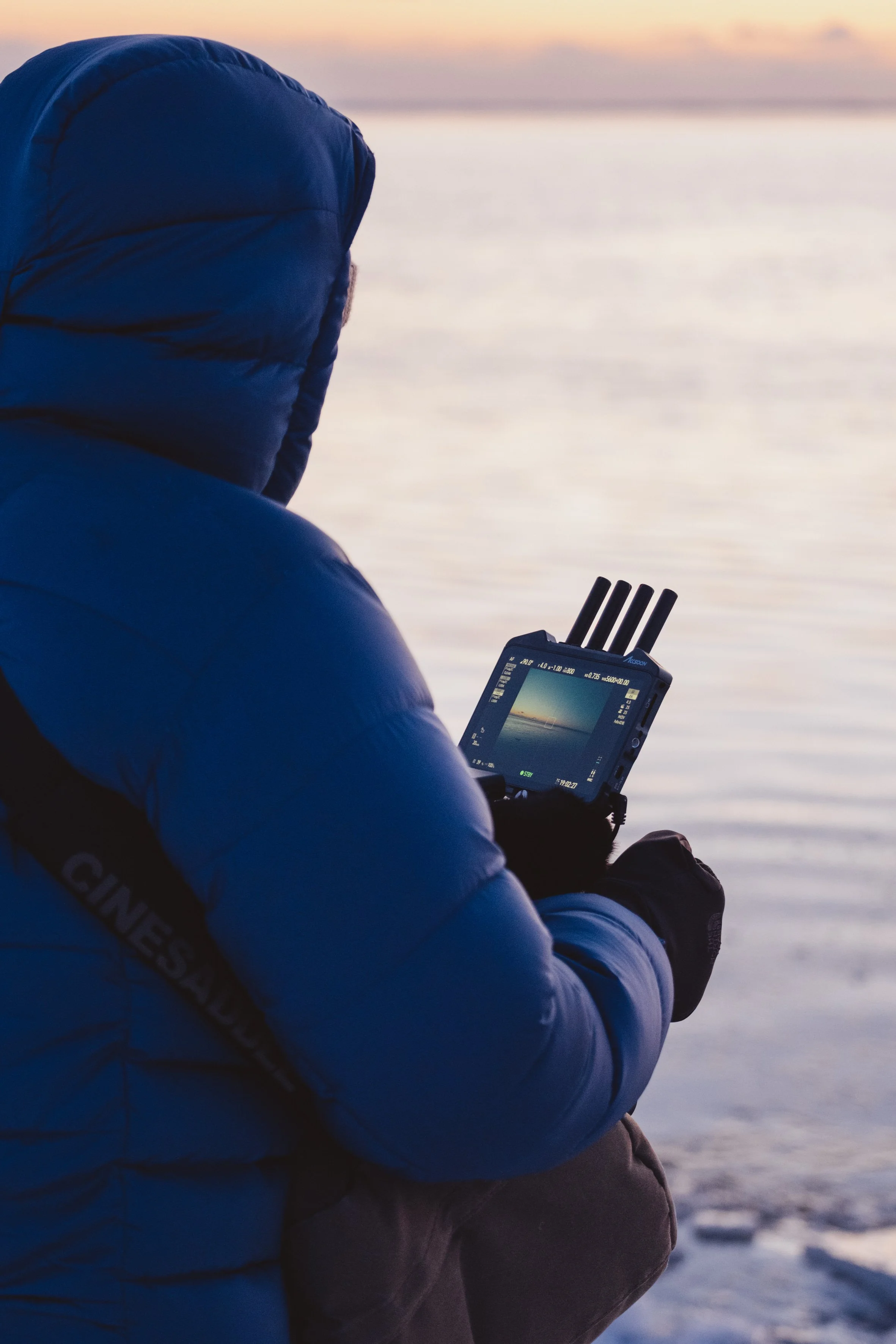
Acsoon M7 Pro Monitor
Setup
I keep the setup relatively light.
A Wooden Camera baseplate with 15mm rods and handles keeps things steady and manageable. I’ve also been using the Acsoon M7 Pro monitor, as I found the native screen a little small when shooting open-gate.
One feature I’ve found particularly useful is being able to send a feed to a phone or tablet via an app — it’s a simple but effective solution for client monitoring when needed.
Limitations
There’s very little that frustrates me about the camera.
If anything, it’s slightly slow to boot up, which isn’t ideal in documentary situations — but it’s something I’ve quickly learned to work around.
Beyond that, it’s a very adaptable system.
I haven’t yet found a situation where it couldn’t keep up.
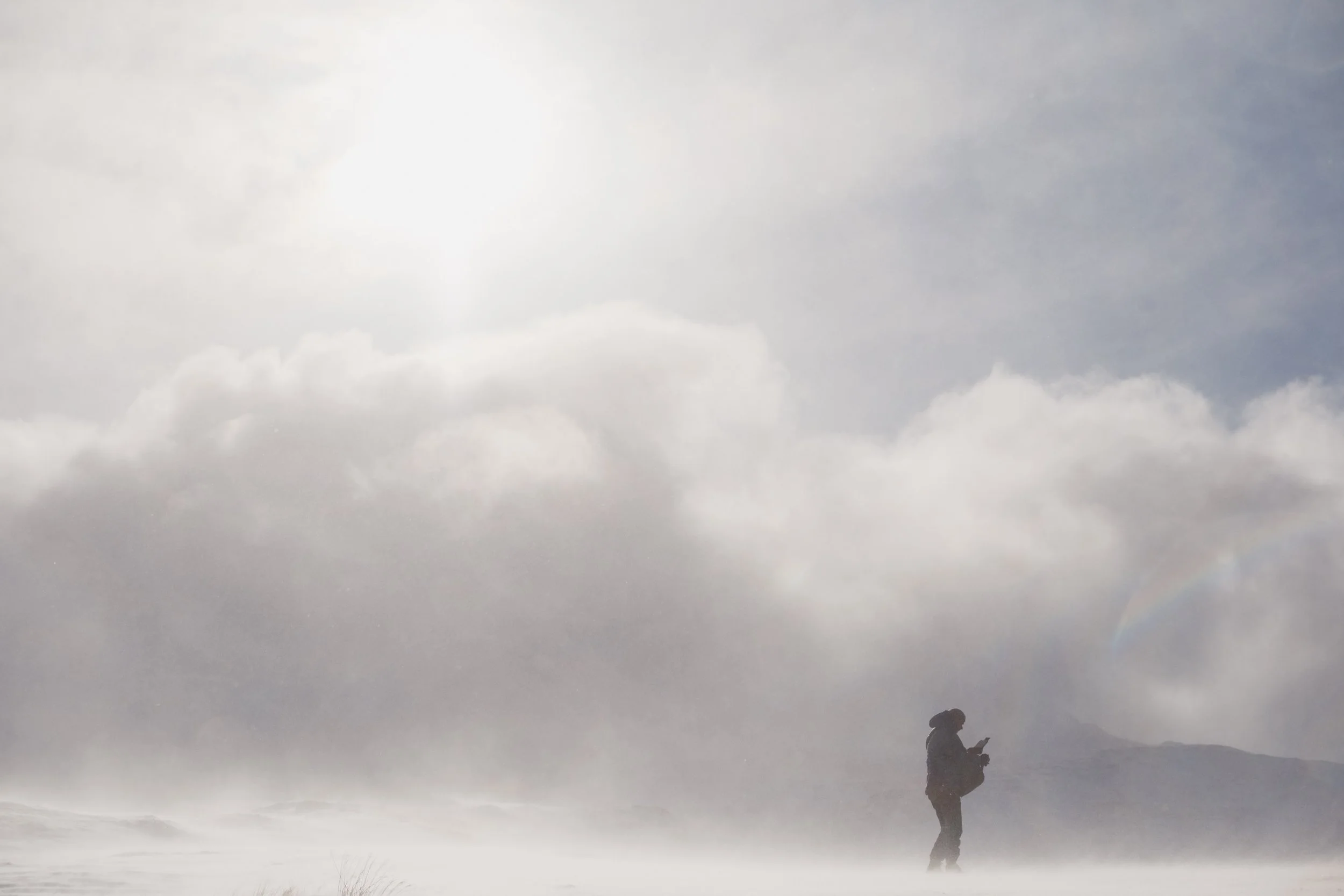
Caught in a Blizzard in Iceland, March 2026
Final Thoughts
This has probably been the most exciting camera purchase of my career so far.
Not just because of the image, but because of what it unlocks creatively.
It offers a huge amount of flexibility in terms of character and style — allowing you to shape each project in a more intentional way.
More importantly, it’s reinforced my confidence in documentary work.
Knowing that the camera can keep up — in real environments, with real people, in unpredictable conditions — allows me to focus fully on the story.
And ultimately, that’s what matters most.